
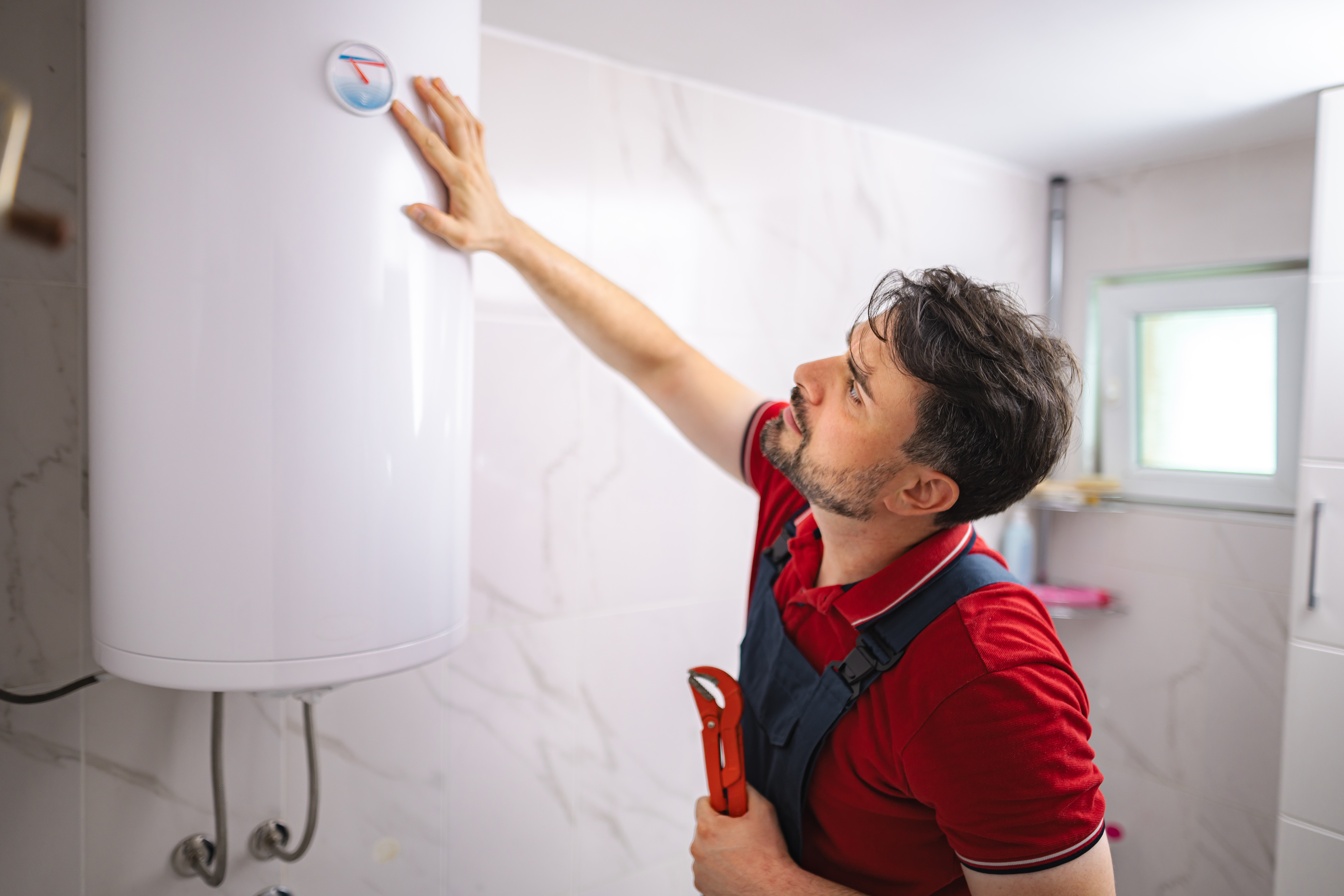
Hot water is one of those things that every homeowner uses daily; however, it depends on a clean, constant supply for showering, washing clothes, or cleaning dishes. When replacing an aging unit, the first question on many minds is whether to tackle the job oneself or call in a professional.
At Family Friends Plumbing Services, we guide homeowners through their Water Heater Installation options by covering the costs associated with it, what is needed during installation, and providing information about making a good investment for the future. An initial cost to convince you to do it yourself might be appealing, but professional installation means that you get a way safer and more reliable water heater.
Why Professional Water Heater Installation Is a Smart Investment
Whether you’re replacing an aging unit or upgrading to a more energy-efficient model, Water Heater Installation is an investment that affects your home’s comfort and monthly energy costs. A properly installed water heater provides a reliable hot water supply, improves efficiency, and reduces the risk of unexpected breakdowns.
Choosing professional installation also helps ensure your system is installed correctly from the start, giving you peace of mind and long-term performance.
Factors That Influence Water Heater Installation Cost
Installing a water heater involves more than just the unit itself. Several factors affect the final price, and knowing them in advance allows homeowners to plan budgets more accurately. Contributions from some of the most substantial factors include the kind of water heater, installation complexity, plumbing modifications, fuel source, and updated common requirements, to name a few.
An example of this would be replacing a current electric water heater with one similar to it, as opposed to going from a gas system to an electric or tankless model for the first time.
Traditional vs Tankless Water Heaters
Homeowners must make one of the widest choices when deciding between a conventional storage tank system and a much less traditional, tankless model.
Conventional water heaters are those that keep hot liquid in a reservoir that’s constantly available for regular use; however, tankless water heater installation provides hot water on demand without keeping huge amounts of heated water.
While tankless systems cost more to install, many homeowners appreciate their efficiency, space-saving size, and on-demand hot water. Which is correct will be determined by a mix of home size, water consumption, and some long-term power plans.
How to Choose the Right Water Heater for Your Household
Selecting the right water heater depends on more than just your budget. Consider your household size, daily hot water usage, available installation space, and long-term energy savings. A properly sized unit provides consistent performance while helping reduce utility costs.
Consulting a professional before your Water Heater Installation ensures you choose a system that meets your home’s current and future hot water demands.
Is Water Heater Installation a DIY Project?
Even the most experienced and accomplished home-improvement homeowner feels capable of tackling do-it-yourself projects, but water heater installation is not merely another day at the faucet or leaky pipe campsite.
The water heater installation typically includes:
- Plumbing connections
- Gas or electrical connections
- Venting requirements
- Pressure relief valves
- Drainage systems
- Local building code compliance
- Safety inspections
- Equipment testing
A small installation misplacement will create an impact on the overall system performance or cause a safety issue.
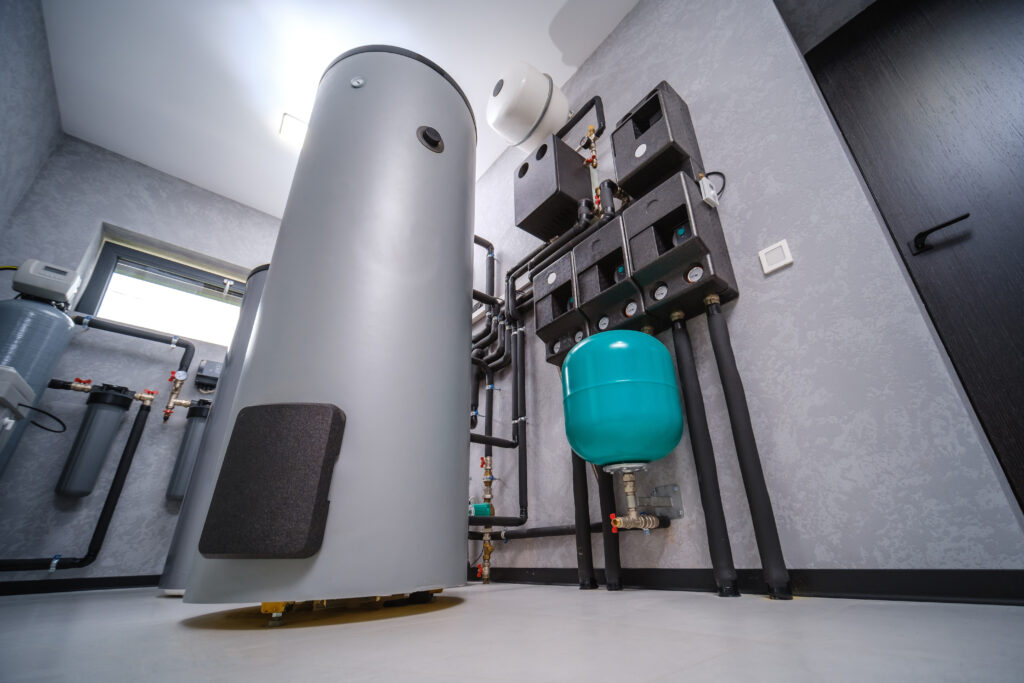
Selecting a Water Heater For Your Home
Factors worth considering include:
- Household size
- Daily hot water demand
- Energy efficiency goals
- Available installation space
- Utility costs
- Long-term maintenance expectations
A qualified plumber can help advise which option will give the best facility up-front payment and long-term operational costs.
Installation of Gas and Electric Water Heater
If gas is plumbed in your house, both gas and electric systems have their pros and cons because of energy form-to-price relationships. The installation of gas and electric water heaters requires separate approaches.
Gas systems, for example, will need to be vented properly and have connection lines to gas sources, while electric units will require adequate electrical capacity and dedicated circuits. When installed by a professional, each system will safely work according to the manufacturer’s specifications and local plumbing codes.
Inspect Your Plumbing System Before Installing a New Water Heater
Installing a new water heater is an excellent opportunity to inspect your home’s plumbing system. Aging pipes, hidden leaks, worn shut-off valves, or damaged water lines can reduce the efficiency of your new unit and lead to future repairs. If any issues are found, Pipe Repair & Replacement can help ensure your new water heater operates safely and efficiently while protecting your plumbing system for years to come.
Protect Your Water Heater with Regular Plumbing Maintenance
Regular maintenance plays an important role in extending the lifespan of your water heater. Annual inspections, tank flushing, and checking for leaks help improve efficiency and reduce the risk of unexpected breakdowns. If your home has hard water, installing a Water Filtration System can help minimize mineral buildup, improve water quality, and protect both your plumbing system and water heater from premature wear.
Conclusion
Comparing upfront costs is just one aspect of deciding between DIY vs. professional Water Heater Installation. Adding to the value of your investment are safety, long-term dependability, warranty coverage, and installation quality.
Although the DIY installation may seem appealing, professional installation minimizes pitfalls so that your new water heater runs well from hour one. Here at Family Friends Plumbing Services, we not only help homeowners choose the best water heater to fit their needs, but we also offer professional installation that will give you years of reliable hot water.
Frequently Asked Questions
What is the typical installation time of a water heater?
For the most part, switching out for a new unit of a similar type is done within hours. It can take about 1- 2 hours for a no-fuss installation; however, if you change fuel type or choose a tankless system, the time it takes will increase.
Should I replace water heater before it breaks?
Yes. A water heater nearing its expected lifespan or showing signs of decreased performance should be replaced before it fails to avoid property damage and an unexpected break in your hot water supply.
Does installing a water heater need a permit?
In many areas, you need a permit to either replace or install for the same reason. Local plumbing and other codes ensure you will not compromise critical details of your house’s safety, including the availability of hot water.
Will a larger heater always give you better performance?
Not necessarily. How do you choose the right size based on your household usage of hot water? An oversized energy-efficient AC unit will make operational performance and energy costs less profitable.
How frequently do you have to get a water heater service?
To help keep the unit running for as long as possible, most manufacturers recommend some type of maintenance once a year, which can lead to improved efficiency and can help catch little issues before they turn into something that costs you big money.