

Not all plumbing pipes are straight! At times, they may have to rotate walls, fixtures or other impediments. Hence pipe angles are important. The 135° rule is a phrase that is often used when designing horizontal drainage pipes and when considering access to cleanout. Knowing it can assist you in comprehending why some pipe layouts require additional access points. When multiple bends are used, Family Friends Plumbing Services can provide homeowners with the information they need to arrange the drainage work more carefully, before repairs or installation is made to the plumbing.
135° Plumbing Rule Explained: Understanding Drain Pipe Direction Changes
The 135 degree rule relates to horizontal direction changes in drainage pipe, and is used to define when and where extra cleaning access is required.
How Pipe Angles are Calculated
Angles of pipes are determined by observing the distance that a drain bends. One 90° turn results in a 90° change, for instance. If we add another 45°: We get 135°. These angles can be combined in the design of drainage systems.
The reason that the limit of 135° matters
You can have more trouble getting to and cleaning the drain when you have too many direction changes. If there is a total horizontal change exceeding the 135° approach as per plumbing rules, then an extra clean-out may be necessary. This makes maintenance a lot easier in the future.
Common Plumbing Applications
A rule can become important in bathroom, kitchen, laundry or other drainage designs where pipes are not always contained within walls or fixtures. There could be several fittings resulting in an offset, so the horizontal direction change should be carefully taken into consideration when planning.
135° Rule And Drainage: How Pipe Bends Affect Proper Water Flow
Cleaning points, proper slope and fittings are critical to drainage. Changes in direction can impact on the flow of waste and maintenance during normal operations or services.
Multiple Drain Bends
Multiple turns can result in a longer and more complex journey for the wastewater. They may also cause obstructions to be more difficult to access. If there are problems later, they can be much easier to fix if the proper fittings and access are provided to do the job.
Reaching 135 Degrees
The 90° bend and 45° bend equals 135° bend. If the plumbing code followed this, exceeding it could require a cleanout to allow for plumbing maintenance.
Importance of Proper Slope
Pipe angle is just one of the aspects of good drainage design. There should also be a proper slope on the drain to allow for proper flow of wastewater. Improper slope conditions may result in standing water, slow drainage and recurring problems in the long term.
Package inspection for Local Plumbing Code’s
It is important to determine first before replacing an existing drain, what plumbing code applies in your region. The International Plumbing Code takes a different approach, requiring horizontal changes of direction more than 45 degrees, so that local plumbing code requirements are important.
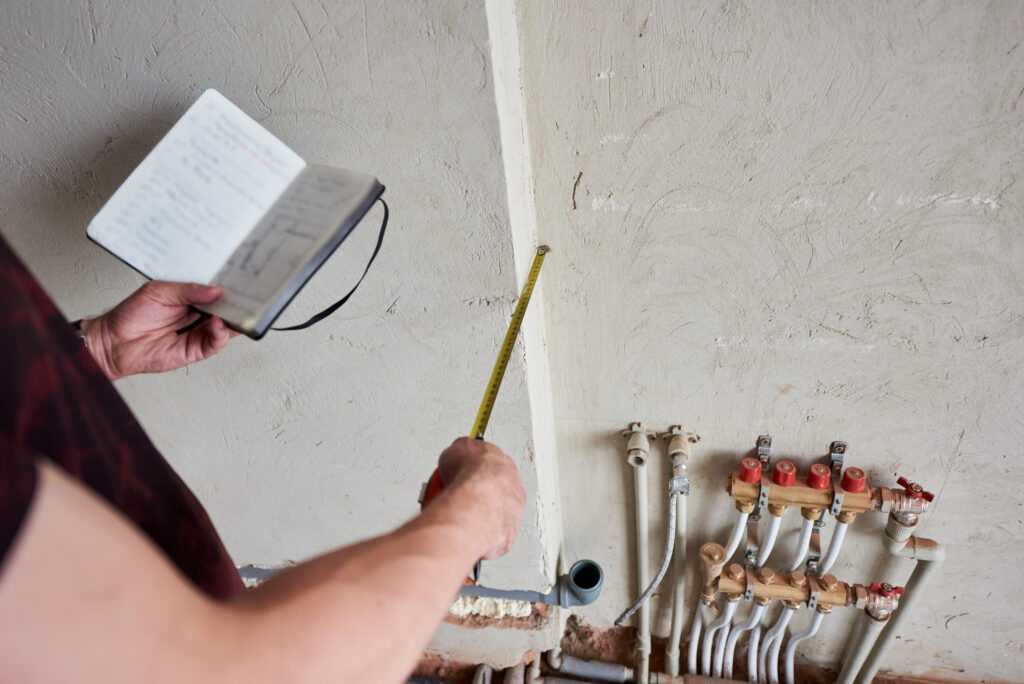
Consider Pipe Access During Remodeling
Drainage changes are not limited to new construction. When remodeling a kitchen, bathroom, laundry room, or other part of a property, existing pipes may need to be adjusted to fit the new layout. Planning the pipe route before walls or flooring are closed can make future repairs easier and help avoid unnecessary rework. For larger projects, Residential and Commercial Plumbing can help ensure the plumbing layout fits the property’s needs.
Conclusion
The 135° rule is a concept that can be used to understand how horizontal drain direction changes can impact on cleanout access and maintenance. It is not just that pipes can’t bend more than 135°. After some direction changes there may be additional access required as per the plumbing code. Slope, appropriate fittings and good planning also contribute to good drainage. If you need to bend your drain a few times, it helps to check the code up front to save on pricey changes later and on making your drain a lot easier to clean in the future.
FAQs
How many degrees is the maximum pipe bend?
No, it’s not about direction changes on the aggregate.No it’s not about direction changes on the aggregate.
Is it necessary to have a 135 degree check at all drains?
Yes, but in some cases, successive changes in direction can impact requirements for access to cleanout points as per applicable plumbing codes.
What will happen when it reaches 135 degrees or more?
Not necessarily, some plumbing codes may differ in regard to the requirements for the direction change of the drainage.
Is it possible to make 2 bends add up to 135 degrees?
Yes, complex designs may make cleaning a problem and could be a part of maintenance issues.
Does IPC employ the “135 degree rule”?
Your plumbing will be reviewed by a qualified plumber and they will be able to confirm the local plumbing requirements.