
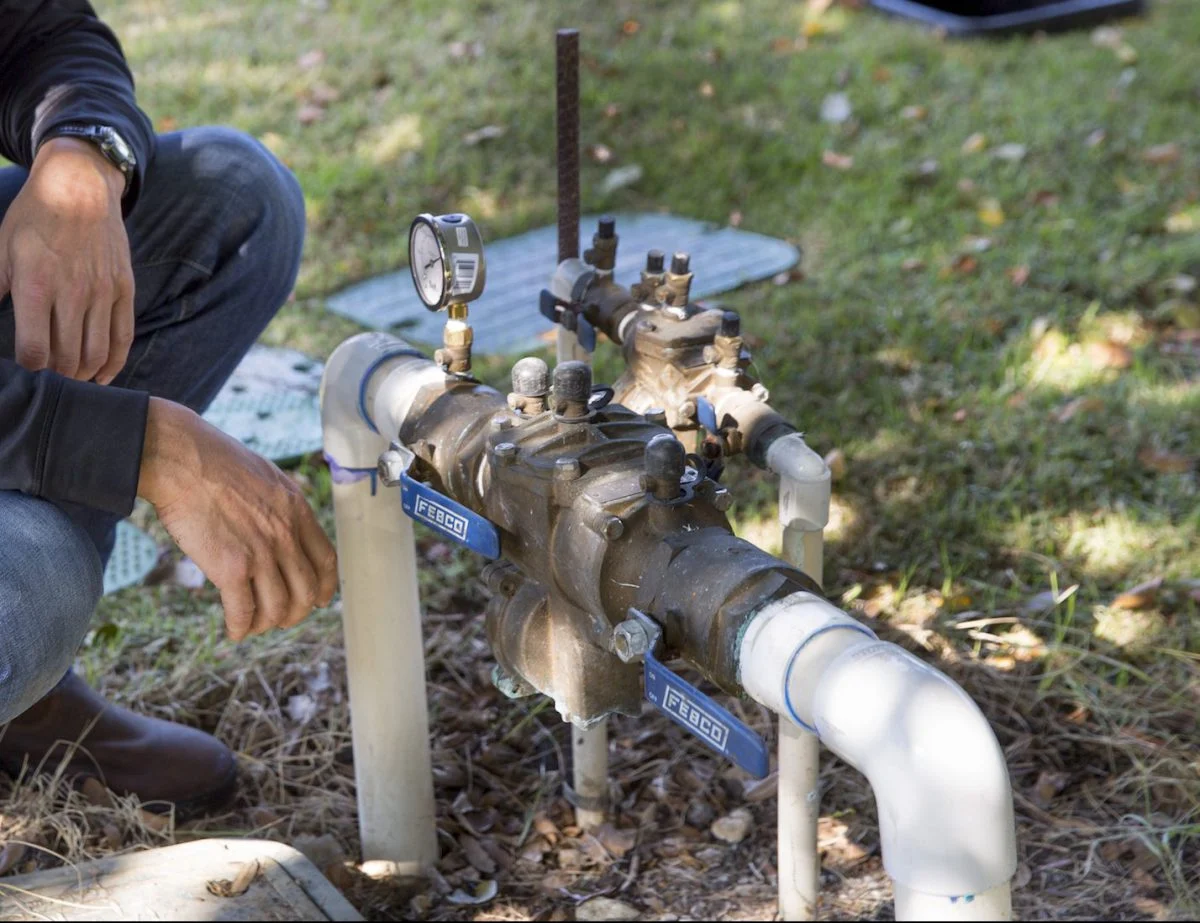
Backflow prevention is a useful phenomenon for protecting the home’s potable and clear water system from contamination. It stops the contaminated water from the home from getting mixed into the potable drinking water supply.
In normal routing, the water distribution system involves the flow of potable water from the public distribution system towards the property and the property’s plumbing or drainage water into the sewage.
Certain water conditions cause the water to move from the home plumbing and drainage system to get mixed into the home potable water, which can cause serious hazards if left untreated.
Two main reasons for backflow are back siphonage, which is due to the low supply pressure or reduced pressure backflow assembly, and the other reason is back pressure, which pushes the contaminated water into the potable water flow.
Family Friends Plumbing Services is a professional plumbing service in Fort Worth. They provide trusted and reliable service to completely resolve the damage to the property.
What Is Backflow Prevention
Backflow prevention is the method used to protect the potable water from getting contaminated with the home plumbing water.
Backflow prevention is most important in the area of cross-connections of potable water with the source of chemical-contaminated areas.
How is backflow testing performed?
Backflow testing is performed by the licensed BPAT ( Backflow Prevention Assembly Tester). They do water pressure testing after a complete plumbing inspection.
They completely check the Reduced Pressure Zone (RPZ) assembly through a suitable testing procedure and then evaluate whether it passes or fails the tests.
| Testing Area | What Is Checked |
| Device operation | Whether valves open and close properly |
| Water pressure | Pressure conditions that could cause reverse flow |
| Backflow protection | Whether the assembly prevents unwanted flow |
| Cross-connections | Potential pathways for contaminated water |
| Test documentation | Results and required maintenance records |
Backflow Prevention Devices and Their Applications
Different backflow preventing devices or backflow preventers are installed in places where the risk of water contamination is higher, and they prevent water from mixing.
| Device | Typical Application | Protection Focus |
| Reduced pressure backflow assembly | High-risk plumbing connections | Strong protection against backflow contamination |
| Pressure vacuum breaker | Irrigation systems | Prevents backsiphonage |
| Double-check assembly | Low-to-moderate risk systems | Protects against backflow under pressure |
| Air-gap protection | High-risk connections | Physical separation prevents backflow |
When Should You Schedule a Backflow Inspection?
A backflow inspection can be worthwhile after plumbing modifications, installation of irrigation equipment, or changes involving specialized water connections. Property owners should also consider professional inspection when an existing backflow device is older, has shown signs of malfunction, or has previously failed testing.
Regular attention is particularly valuable for businesses with complex plumbing systems and multiple water connections. Scheduling the appropriate Commercial Plumbing service can help identify problems early and keep water-related equipment operating properly. For residential properties, timely inspection can likewise provide reassurance that potential backflow risks are being addressed before they become a larger plumbing concern.
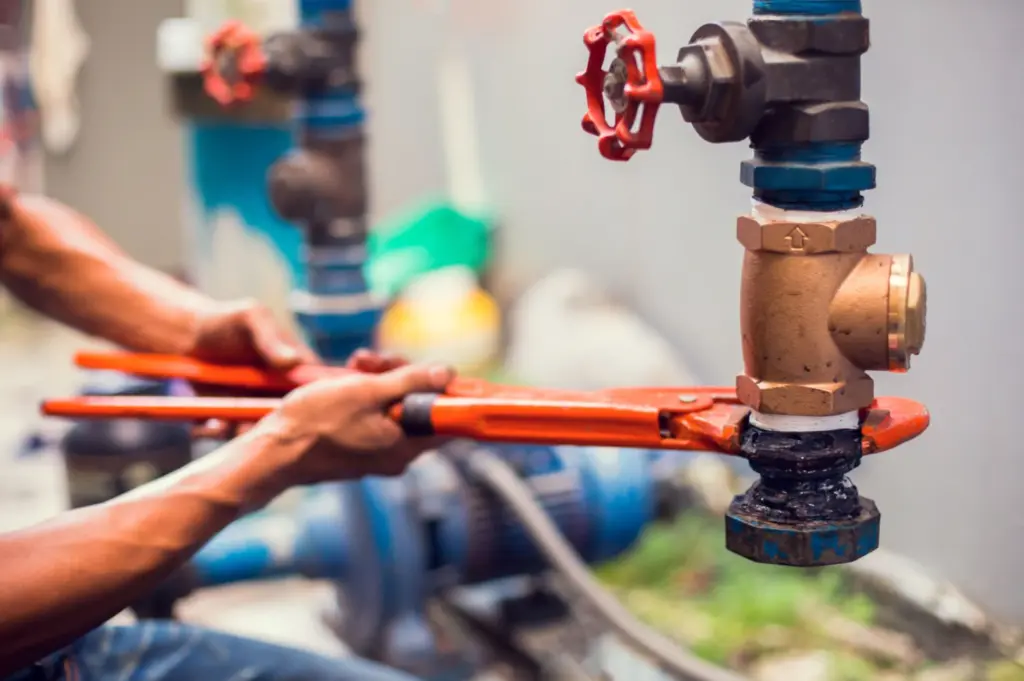
7 Reasons Fort Worth Property Owners Should Test Their Plumbing System
Able to detect problems with a backflow prevention device
Testing evaluates the condition of the backflow prevention device. Mechanical components of the device can deteriorate over time, so annual backflow testing helps monitor its condition, maintain its stability, and prevent potential hazards.
Protection of potable water from contamination
The main reason to install a backflow prevention device is to protect potable water. The inaccurate installation and deterioration of the preventive device can cause water contamination.
Accurate installation, proper maintenance, and annual testing allow the proper functioning of the backflow preventer and protect the potable water from contamination.
To identify the cross-connection risks
A cross connection is the point of connection between potable water and the source of contamination. It can create a path for water contamination. Common examples include irrigation systems, other industrial processes, etc.
A thorough backflow inspection is suitable for analysing the situation and performing preventive measures according to it.
Ability to meet the testing requirements of Fort Worth
Testing is not only recommended for commercial backflow prevention, but TCEQ (Texas Commission on Environmental Quality) has made annual backflow inspection important for all property types. It is important to stay in compliance with the TCEQ and prevent serious health hazards.
Irrigation system protection
In Fort Worth, the irrigation systems require potable water to use an accurate backflow prevention method. Cross connections are the source of landscaping irrigation.
A regular professional, licensed BPAT, testing the cross-connection and backflow prevention, confirms that the water reaching the irrigation system is not contaminated.
Protects from major plumbing issues
Backflow inspection and testing can help in detecting the need for backflow repair, replacement or any potential damage. The water pressure testing is useful in analysing the water pressure conditions and in preventing water contamination.
Provides protections to commercial and high-risk properties
Commercial backflow prevention is important for the proper functioning of the business operation.
Commercial areas have more complex plumbing systems, which are more prone to backflow than residential plumbing systems. Annual testing helps in water contamination prevention in commercial and residential areas as well.
What Causes Backflow Problems in Fort Worth Properties?
Backflow can become a concern when changes in water pressure allow water to move in the wrong direction through a plumbing connection. Irrigation systems, older plumbing components, and specialized equipment can create conditions where unwanted water movement becomes possible. Changes made during plumbing installations or repairs may also introduce new cross-connection risks if the system is not properly configured.
For property owners, recognizing these potential risk areas is an important part of maintaining a safe water supply. Professional Backflow prevention in Fort Worth, TX can help identify whether existing water connections need attention and whether the property’s plumbing setup provides appropriate protection.
Final Thoughts
Protecting your property’s water supply starts with keeping its plumbing connections properly maintained. Regular backflow testing can help identify potential problems before they affect the reliability of your water system. Whether you own a home or commercial property, professional Backflow prevention can help ensure your system receives the right protection for its specific plumbing setup.
Family Friends Plumbing Service is ready to help with backflow concerns, plumbing inspections, repairs, and related services. Call (817) 819-1471 or email service@familyfriendsplumbing.com to discuss your plumbing needs.
FAQs
What is backflow?
Backflow is the reversal of contaminated water into the home’s potable drinking water. It mixes contamination into the clear potable water, causing serious health hazards.
What is backflow testing?
Backflow testing involves the inspection of the backflow preventing devices and possible testing methods to understand the current condition of the devices and their performance.
A gauger kit is used to check if the internal valves of the device and relief valves can be sealed under pressure conditions.
How long does backflow testing take?
Backflow testing can take 15 to 60 minutes depending on the size, type and accessibility of the preventing device.
Is backflow prevention only for commercial properties?
No, backflow prevention is necessary for commercial, residential, and all property types.
Who can perform backflow prevention?
Only a certified and licensed technician or BPAT ( Backflow Prevention Assembly Tester) can perform backflow prevention testing and repairs.