If a leak occurs behind a wall, it can cost thousands of dollars before you notice it. That depends on the type of pipes you use. With plumbing service experience at Family Friends Plumbing Services, we assist householders in selecting plumbing systems that will endure, function correctly, and fit within their spending plans. This Guide explains what your choices are so you can make an informed decision.
Plumbing Systems: What Every Homeowner Should Know
Each House has three interconnected plumbing systems:
- Water supply: Delivers fresh water to taps, showers, and appliances.
- Drain-waste-vent (DWV): Drain pipes (that take wastewater) out; make sure air can pass through so drain pipes can flow.
- Fixtures and Fittings: Link to points of use.
Different materials are used in each system. The right kind of plumbing pipes for residential homes are based on the function that the pipe needs to serve, the water chemistry of your region, and the age of your home.
The house’s main durable plumbing materials include:
- Copper
- PEX (cross-linked polyethylene)
- PVC (polyvinyl chloride)
- CPVC (chlorinated polyvinyl chloride)
- ABS (acrylonitrile butadiene styrene) is made primarily for use in drains.
Galvanized steel or polybutylene can still be found in older homes. They both age out of service, so find them and replace them.
How to Choose Plumbing Pipes for a Home
Before you make a decision, ask four questions:
- What is the location where the pipe will run? Materials for hot lines, cold lines, and drains are different.
- What are your water quality levels? Some metals are more rapidly corroded by acidic or mineral water.
- What’s your climate? Flexible pipe does well in the freezing winters.
- What is your budget? The price of materials and labor is taken into account.
Next, make sure to check with local building codes. Certain materials are not allowed in some places, and a licensed plumber will know what your jurisdiction will allow.
Be prepared for the long haul. A less expensive pipe that will have to be replaced in 20 years will cost more than a more expensive pipe that is installed and used for 20 years.
Comparing the Top Options
PEX vs Copper Plumbing Pipes
PEX PVC pipes have several advantages:
- Versatile; will bend around corners with fewer fittings
- More resistant to damage from freezing than rigid pipe
- Quieter water flow
- Easier installation, reducing labour requirements
- Withstands corrosion and scale.
Great benefits of using copper piping:
- Long lifespan of 50 to 70 years.
- Tough and enduring; can withstand high temperatures and pressure
- Does not degrade in sunlight
- Resists bacterial growth
- Maintains resale value to the buyer
Copper is more expensive and is not as easy to install. PEX costs less and installs faster but cannot be installed in the outdoor environment without UV protection.
PEX is a good combination of price and performance for most homes. Copper is a high-quality and long-lasting material that appeals to homeowners seeking luxury and durability.
PVC vs CPVC Plumbing Pipes
PVC can withstand cold water and drainage. Easy to cut and join, light and inexpensive. Do not use it for hot water lines.
CPVC can withstand higher temperatures, so it can be used for hot and cold supply lines. More expensive than PVC and is more brittle in cold temperatures.
Here’s a quick summary: PVC is for drains and vents, and CPVC for hot-water requirements on a hard pipe.
Best Water Supply Pipes for Homes
| Pipe Type | Best Use | Typical Lifespan |
| PEX | Hot and cold supply | 40 to 50 years |
| Copper | Hot and cold supply | 50 to 70 years |
| CPVC | Hot and cold supply | 40 to 50 years |
| PVC | Cold supply, drains | 25 to 40 years |
Residential Plumbing Pipe Installation: What to Expect
- Assess current systems, and plan the layout
- Choose materials suitable for water and code needs
- Shut off and drain the lines
- Cut, join, and support pipe properly
- Connect each piece of hose or pipe to the water supply line and subject it to a pressure test.
- Test to ensure service is restored and confirm flow at each fixture
A typical home will take 2-3 days to repipe. Your plumber should tell you how long the job will take, how much the job will cost, and if there will be any access to the wall for the various parts of the job before the job is started.
How Water Pressure Affects Your Home’s Plumbing System
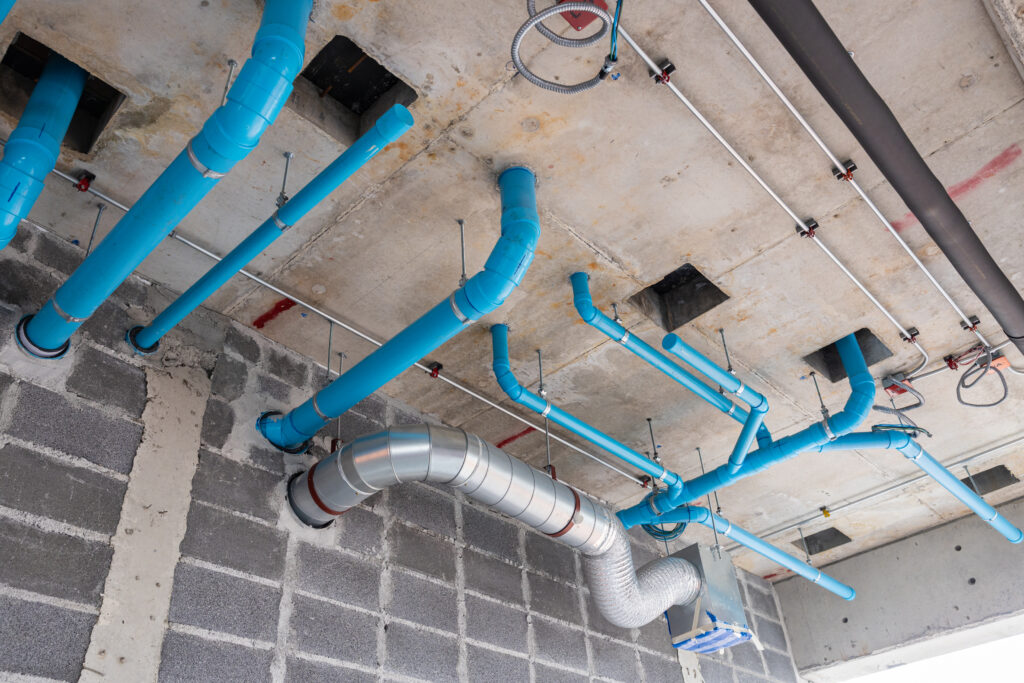
Water pressure plays an important role in how well your residential plumbing system works. Excessively high pressure can put stress on pipe connections, faucets, water heaters, and appliance hoses, increasing the risk of leaks over time. Low pressure, on the other hand, may make showers and everyday water use less convenient. A plumber can check your home’s water pressure and recommend a suitable pressure-reducing valve or other adjustments when needed. Family Friends Plumbing Services provides Plumbing Services in Arlington, TX to help homeowners maintain reliable water flow and protect their plumbing systems.
Why Homeowners Choose Family Friends Plumbing Services
You need a plumber who gives honest answers. We assess your home first, then recommend the material that fits it, not the one that earns us more.
Here is what you get when you work with us:
- Licensed, trained technicians who follow current code
- Upfront pricing with no surprise add-ons
- Clean, respectful work inside your home
- Tested results, with every connection pressure checked
- Support after the job if you have questions
We install PEX, copper, CPVC, and PVC systems, and we explain the tradeoffs in plain language. Call us for a free consultation and a clear plan for your home.
Frequently Asked Questions
What is the best type of plumbing pipe for a house?
PEX is a good choice for most houses as it is very cheap, can be easily bent, and is corrosion-resistant. If you are looking for maximum longevity and heat tolerance, you’ll want to go with copper. The decision is finalized by your water quality, budget and local code.
Is PEX better than copper plumbing?
PEX can be cheaper and installed quickly; copper is better for long service life and outdoor exposure. PEX is not susceptible to freezing or mineralisation damage. Copper does not wear out and can withstand extreme temperatures. Both work well as long as they are installed properly.
Can you use PVC for hot water lines?
No. PVC cannot be used for hot water or drainage. It can be bent or broken by hot water. For hot supply lines use CPVC, PEX, or copper.
How long do residential plumbing pipes last?
The life of most pipes is 40 to 70 years, depending on the type of pipe material. Copper has the longest lifespan of 50-70 years. PEX and CPVC generally have a life of 40-50 years, depending on the product; PVC has a life of 25-40 years. These numbers can be affected by water quality and installation quality.
When should I replace the plumbing in my home?
Replace your plumbing if you see frequent leaks, discolored water, low pressure, or if your home still has galvanized steel or polybutylene pipes. A licensed plumber can inspect your system and tell you whether repairs or a full re pipe makes more sense.
Ready to upgrade your plumbing systems? Contact Family Friends Plumbing Services today to schedule your inspection.