
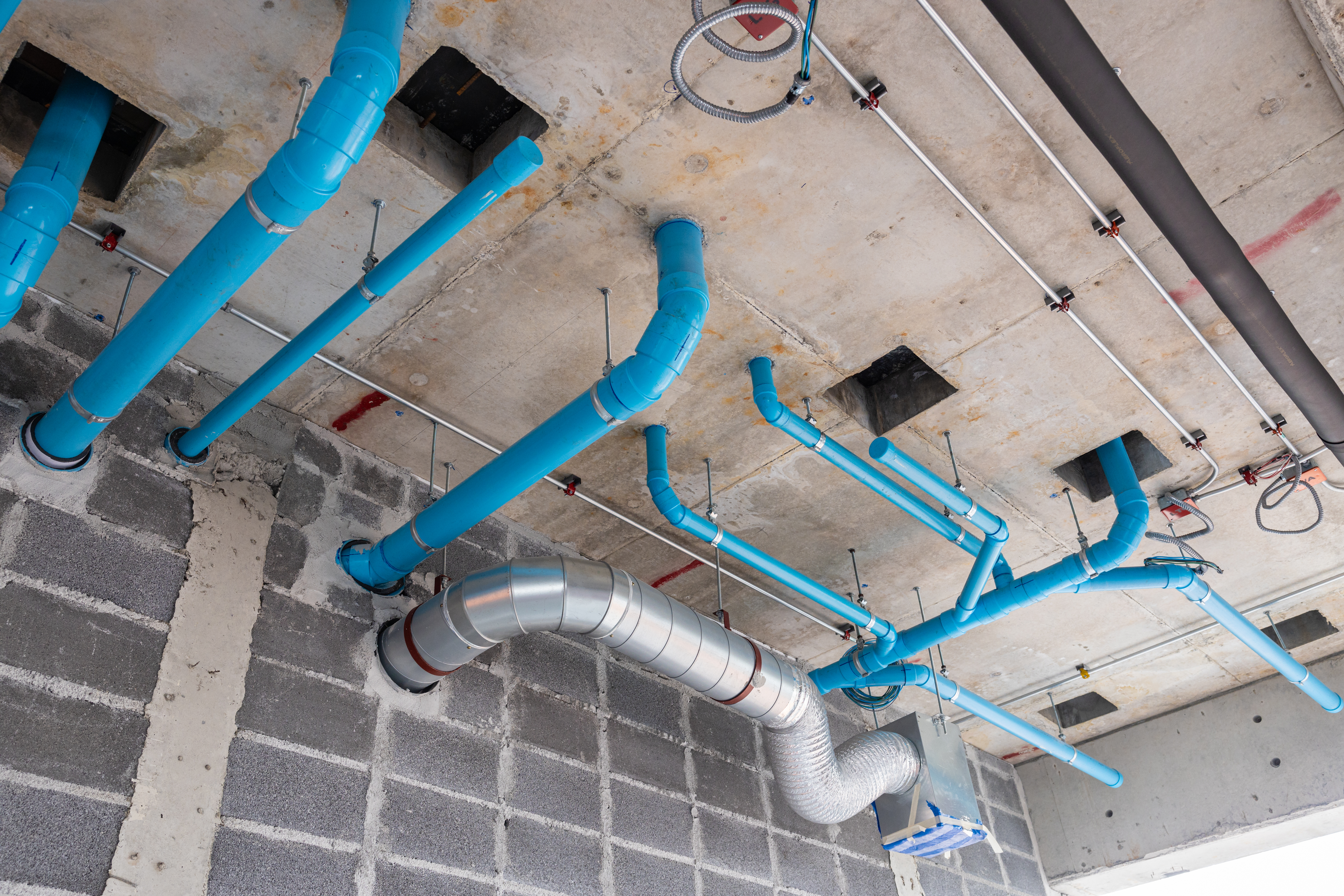
In contrast with their residential counterparts, commercial plumbing systems constantly handle a huge amount of water. Whether it’s dozens, hundreds, or even thousands of inhabitants walking through the space on any given day, every facility, from a corporate office building, shopping mall, and busy restaurants to manufacturing operations, relies entirely on the infrastructure of water and wastewater lines below the surface to remain fully operational.
A plumbing failure within a commercial space quickly transitions from inconvenient to catastrophic. A simple building defect becomes a costly emergency impacting the structure, tenant well-being, and even the financial health of your business.
It’s essential to identify these key plumbing failure signals immediately to avoid the worst possible outcomes.
Why Preventive Commercial Plumbing Maintenance Matters
A commercial plumbing system does not get a chance to “take a day off.” Restrooms, kitchens, utility areas, water heaters, and supply lines remain in regular use, which makes preventive maintenance an important part of facility management. Family Friends Plumbing Service provides professional Commercial Plumbing maintenance to help identify worn components, developing leaks, pressure irregularities, and drainage concerns before they interfere with normal business operations. Routine inspections can reduce unexpected downtime and help extend the useful life of your plumbing infrastructure.
Sudden pressure loss and unseen water indicators for Commercial Plumbing
The Plumbing System Pressure Suddenly and Widely Declines
It’s rarely just a toilet fixture issue when every restroom on two separate floors experiences low water pressure. The widespread, uniform reduction points to either a rupture within the building’s primary supply line, or the failure of a mechanical booster pump that’s been working overtime to maintain necessary pressures throughout a tall or spread-out facility.
Failing to address these signs can lead to a total loss of water or even an emergency commercial pipe repair collapse.
Are Your Plumbing Fixtures Wearing Out Too Quickly?
Frequent replacement of faucets, toilets, valves, hose bibs, or other fixtures can be a sign that the plumbing system needs a closer evaluation. Commercial fixtures experience much heavier daily use than those in a typical home, so selecting durable equipment and installing it correctly matters. Upgrading outdated fixtures can also improve water efficiency and reduce recurring maintenance demands. Professional Water Fixture Installation & Repair can help businesses keep high-use areas functional while addressing fixture problems before they affect customers, employees, or tenants.
Drastically Rising Water Bills with No Corresponding Activity Change
Your monthly water statement is one of the first and strongest financial indicators of an active plumbing emergency within a commercial building.
Often, plumbing lines in commercial structures run underground or through concrete foundations, meaning significant leaks can develop undetected and gush water directly into the ground or within wall cavities.
If your water usage numbers have suddenly and sharply spiked without any increased operational demand, such as the addition of new staff, increased production, or an extended heating season, the cause is almost certainly water escaping your system.
System-Wide Water Blockage and Wastewater Backup Warnings
One or two clogged sinks or drains on a specific floor may be a minor annoyance. But if most of the sinks, floor drains, and toilets in your facility have become exceptionally slow or begun making distinctive gurgling sounds, there’s a clog in the main sewer line.
Commercial sewage line blockages are often the result of grease, invasive tree roots, or the natural settling of the main pipe itself. In commercial settings, blockages almost always signify an imminent and damaging building-wide sewage backup.
Persistent foul odors and visible backflow
A sewer smell pervading a commercial office floor, restaurant kitchen, or retail lobby indicates a broken seal within the system that’s allowing sewage gases to vent or be pushed into your building’s air space.
Often, this problem originates from a collapsed sewer line or dried-out floor traps that normally hold a water barrier against the gases. In the most severe and unsanitary scenarios, you may even observe active sewage backflow prevention in Fort Worth wastewater rising and pushing upwards out of the floor drain cleaning. This is an immediate disaster for any facility.
Plumbing Appliance Failure and Surface Discoloration Signals
Inconsistent hot water and visible leaking from water heaters
A building’s commercial water heater consists of industrial-sized tanks working continuously. If tenants are complaining about lukewarm or cold showers, or if you are noticing pools of water gathering around the base of your water heating storage units, you are looking at an impending failure. Sediment buildup and tank corrosion can lead to unexpected rupture and extensive water damage to mechanical rooms.
Is Your Commercial Water Heater Keeping Up With Demand?
Hot water demand can change as a business grows, adds employees, expands its facilities, or changes its operating schedule. A system that once provided sufficient hot water may eventually struggle to keep up with peak demand. An assessment of the unit’s capacity, recovery rate, connections, and overall condition can help determine whether maintenance, repair, or an equipment upgrade makes sense. Regular Water Heater Installation & Repair can also help businesses maintain dependable hot water without waiting for a complete system failure.
Odd water color and unusual stains on ceilings and walls
When water coming out of the faucets takes on a brown, yellow, or even rusty appearance, this signifies the internal corrosion of your facility’s pipe walls. A deteriorating pipe will eventually leak and may even fail. Keep an eye on drywall; circular water stains on ceilings, bubbling paint on walls, or soggy areas are clear evidence that a leaking pipe is actively and invisibly degrading your property.
Biggest Point of Frustration: Many facility managers get caught in the ‘pipe snaking cycle’. This involves calling a plumbing company to send a motorized auger into a drain repeatedly to clear a clog, which costs money and interrupts business every time, when the real issue is a severely sloped or collapsed sewer line below ground. It’s often cheaper in the long run and causes less disruption to fix and repair the underlying pipe structure to prevent future incidents, rather than continually clearing minor partial obstructions that’ll reemerge.
When Should a Business Schedule a Professional Plumbing Inspection?
Businesses shouldn’t wait for a visible failure before evaluating their plumbing infrastructure. A professional inspection can be especially useful after a building renovation, change in occupancy, expansion, or significant increase in water usage. It can also provide facility managers with a clearer picture of the condition of pipes, valves, fixtures, water heaters, and drainage components. Combining scheduled inspections with Commercial Plumbing maintenance gives businesses a more proactive approach to protecting their property and keeping essential plumbing systems operational.
Conclusions
Commercial plumbing in Fort Worth, TX, systems are designed for robustness, but the volume and pressure of day-to-day operations mean that problems that may appear minor quickly become structural and potentially devastating issues. Proactive plumbing maintenance and attentiveness to obvious indicators such as soaring utility bills, multiple slow drains, and visual water damage signs can mean the difference between a small commercial plumbing repair and a complete facility disaster. Don’t wait until it’s too late. Be vigilant.
Frequently Asked Questions
1. What are common commercial plumbing problems?
Leaks, clogged drains, low water pressure, sewer backups, fixture issues, and water heater failures are common.
2. How often should commercial plumbing be inspected?
An annual inspection is recommended, with more frequent checks for high-use facilities.
3. When is commercial plumbing an emergency?
Burst pipes, major leaks, sewage backups, flooding, and complete water loss require immediate attention.
4. How can businesses prevent plumbing emergencies?
Regular Commercial Plumbing maintenance, inspections, and timely repairs can prevent major problems.
5. Why do commercial plumbing problems keep recurring?
Recurring issues may indicate aging pipes, sewer problems, excessive pressure, or underlying drainage issues.